 Skip to content
Washington DC
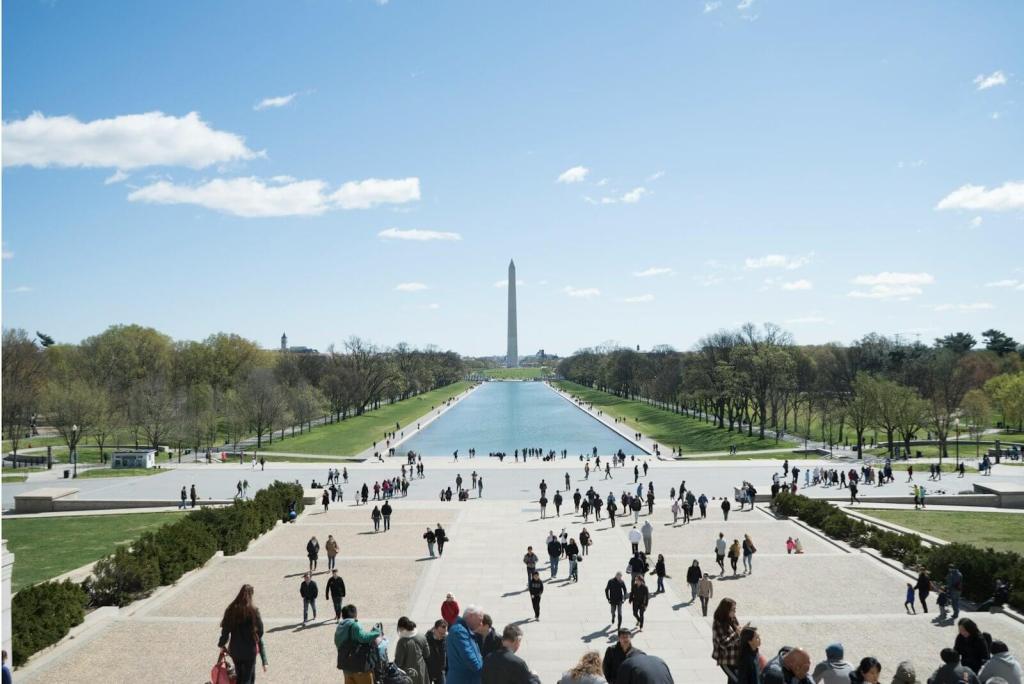
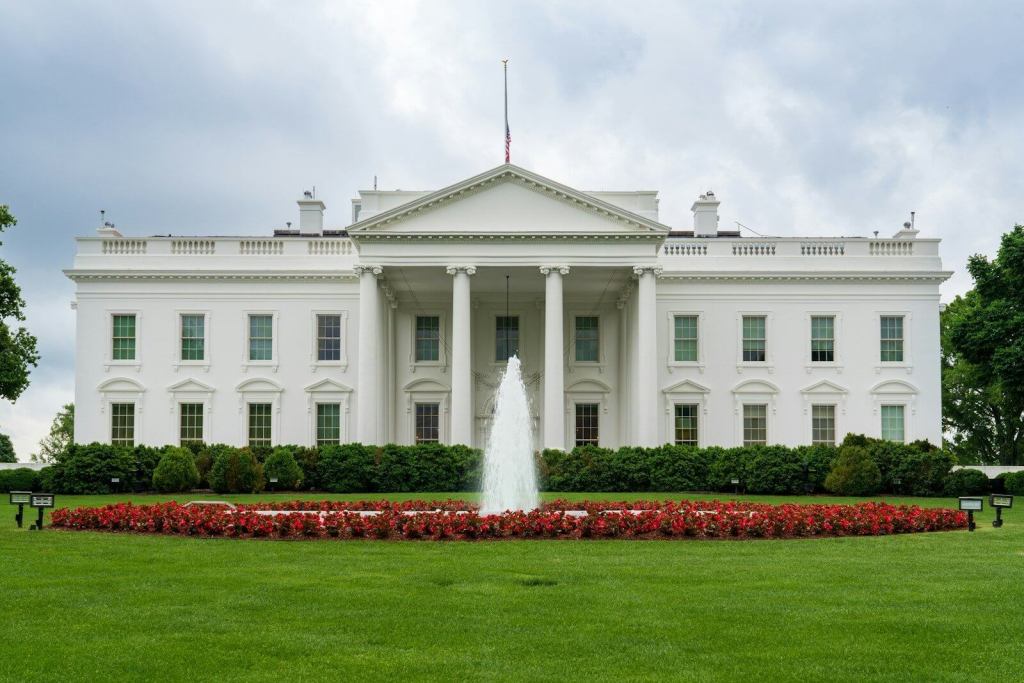
Established as the nation’s capital in 1790, Washington, D.C., AKA the district, is a premier travel destination offering an unmatched mix of American history, iconic political landmarks, and world-class culture. It is famously one of the most affordable cities to visit, serving as the ultimate getaway for history buffs, art lovers, and families seeking an educational and vibrant city experience.

History
Before the arrival of European settlers, the region around today’s Potomac and Anacostia rivers teemed with life and natural resources. Two main Native American villages sat along the rivers. The Nacotchtank village, a major trading center, was located in the floodplains between present-day Bolling Air Force Base and Anacostia Park in southeast DC. Another town, Nameroughquena, most likely sat across from Theodore Roosevelt Island on the Potomac’s west bank.
Forty years after the first contact with European settlers in 1608, only a quarter of the area’s indigenous population remained. Today, over 4,000 Native Americans live in Washington, DC and continue to teach locals and tourists about their history and culture.
Washington, D.C. was founded in 1790 as a strategic political compromise between Northern and Southern states to serve as the permanent U.S. capital. Chosen by President George Washington and laid out by French engineer Pierre Charles L’Enfant, it has evolved from a mosquito-infested swamp into the bustling global seat of government

Arts & Museums
Before the arrival of European settlers, the region around today’s Potomac and Anacostia rivers teemed with life and natural resources. Two main Native American villages sat along the rivers. The Nacotchtank village, a major trading center, was located in the floodplains between present-day Bolling Air Force Base and Anacostia Park in southeast DC. Another town, Nameroughquena, most likely sat across from Theodore Roosevelt Island on the Potomac’s west bank.
Forty years after the first contact with European settlers in 1608, only a quarter of the area’s indigenous population remained. Today, over 4,000 Native Americans live in Washington, DC and continue to teach locals and tourists about their history and culture.
Washington, D.C. was founded in 1790 as a strategic political compromise between Northern and Southern states to serve as the permanent U.S. capital. Chosen by President George Washington and laid out by French engineer Pierre Charles L’Enfant, it has evolved from a mosquito-infested swamp into the bustling global seat of government
Architectural and Sites
Before the arrival of European settlers, the region around today’s Potomac and Anacostia rivers teemed with life and natural resources. Two main Native American villages sat along the rivers. The Nacotchtank village, a major trading center, was located in the floodplains between present-day Bolling Air Force Base and Anacostia Park in southeast DC. Another town, Nameroughquena, most likely sat across from Theodore Roosevelt Island on the Potomac’s west bank.
Forty years after the first contact with European settlers in 1608, only a quarter of the area’s indigenous population remained. Today, over 4,000 Native Americans live in Washington, DC and continue to teach locals and tourists about their history and culture.
Washington, D.C. was founded in 1790 as a strategic political compromise between Northern and Southern states to serve as the permanent U.S. capital. Chosen by President George Washington and laid out by French engineer Pierre Charles L’Enfant, it has evolved from a mosquito-infested swamp into the bustling global seat of government


Food and Wine
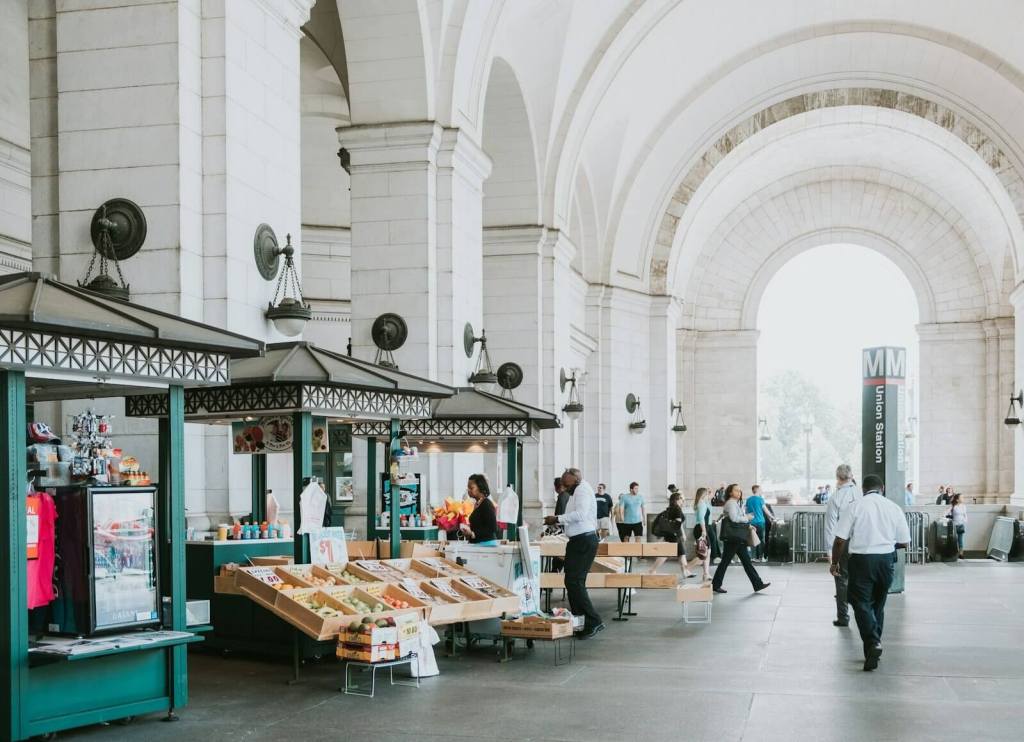
Washington, D.C. boasts a world-class, Michelin-starred dining scene fueled by international diplomacy and an innovative agricultural footprint. It is deeply complemented by a robust wine culture that features dynamic wine bars, locally sourced Mid-Atlantic vineyards, and stellar global wine programs. Please read our Washington DC restaurant reviews and blog for dining to find the best dining options for your stay.
Sports
- Washington, D.C. is a vibrant “District of Champions” with top-tier professional leagues, historic collegiate programs, and a booming sports and entertainment district. From NHL and NBA action in Chinatown to MLS and NWSL matches in Navy Yard, the city features elite venues, electric game-day atmospheres, and major stadium developments
Music, Performing Arts and Experiences
Washington, D.C.’s music and performing arts scene is a dynamic blend of high-culture institutions, historic “Black Broadway” jazz clubs, massive EDM arenas, and intimate rock stages. Anchored by the John F. Kennedy Center for the Performing Arts, the city offers world-class symphonies, Broadway-bound musicals, and culturally diverse arts experiences

Travel by Time of Year
The best times to visit Washington, D.C., are fall (September–November) and spring (March–May) for mild weather, with autumn offering fewer crowds and spring featuring the peak Cherry Blossom season. Summer is hot and humid, while winter offers low-cost, quiet travel with potential snow.
- Spring (March-May) Known for the National Cherry Blossom Festival. The weather is mild, but this is peak tourist season.
- Summer (June-August) Very hot and humid with the highest crowds and longest lines at attractions.
- Fall ( September-November) Widely considered the best time to visit due to comfortable, crisp weather and beautiful foliage.
- Winter (December-February) Cold, with potential snow. Budget-friendly as it is the off-season.


Explore other cities or topics
United States
Anaheim
Austin
Houston
Las Vegas
Los Angeles
New York City
Orlando
Portland
San Antonio
San Diego
San Francisco
Seattle
Washington DC
Europe
Amsterdam
Athens
Brussels
London
Mexico
Cancun
Los Cabos
Mexico City


