 Skip to content
Portland
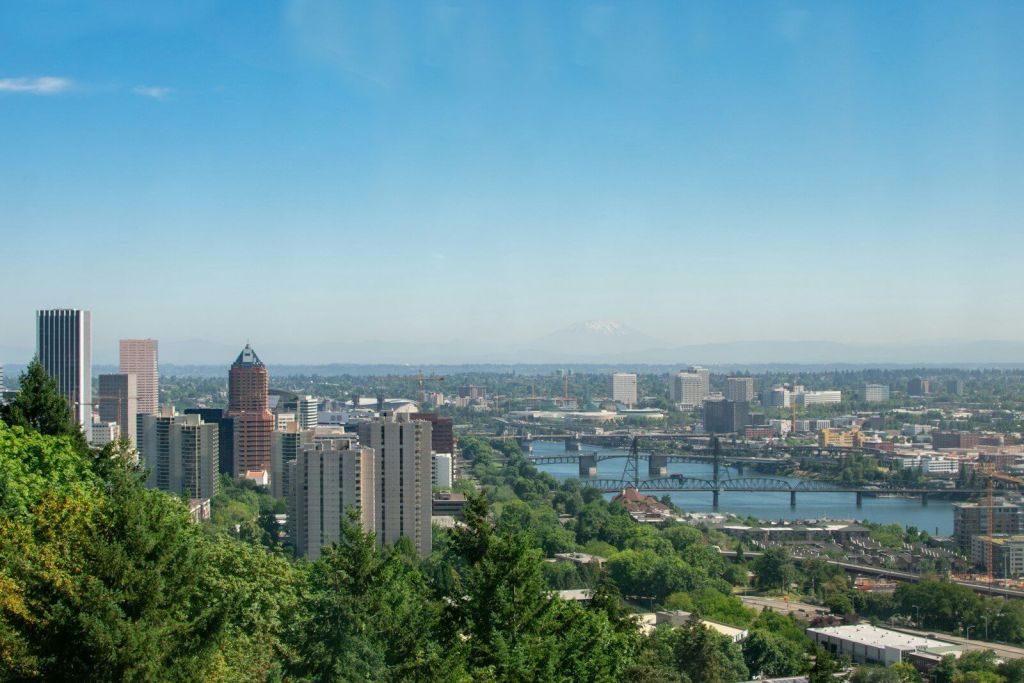
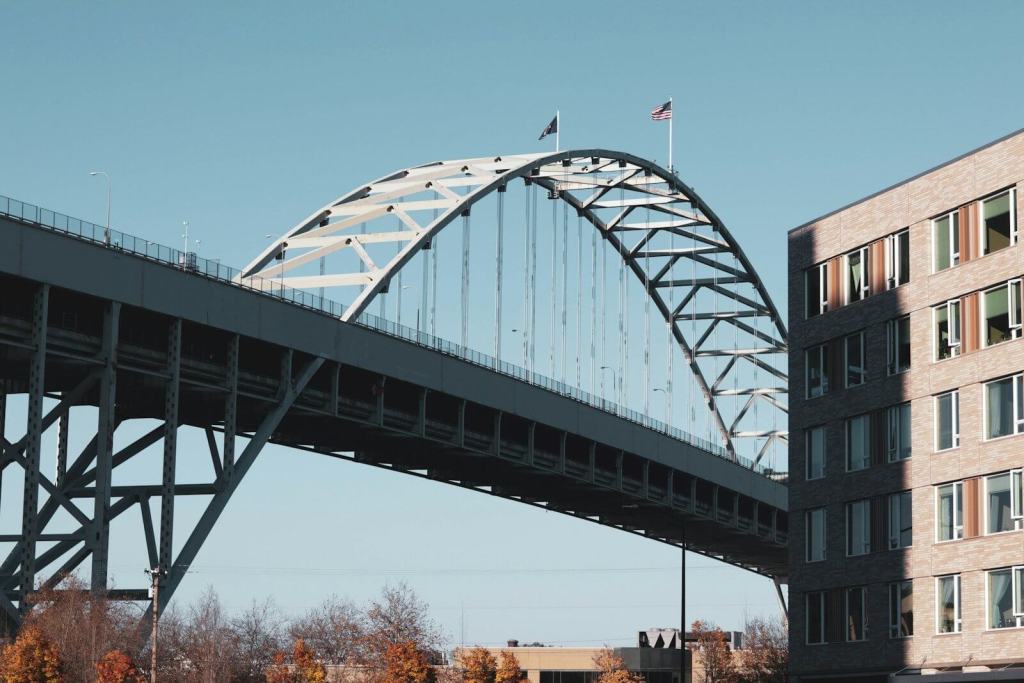
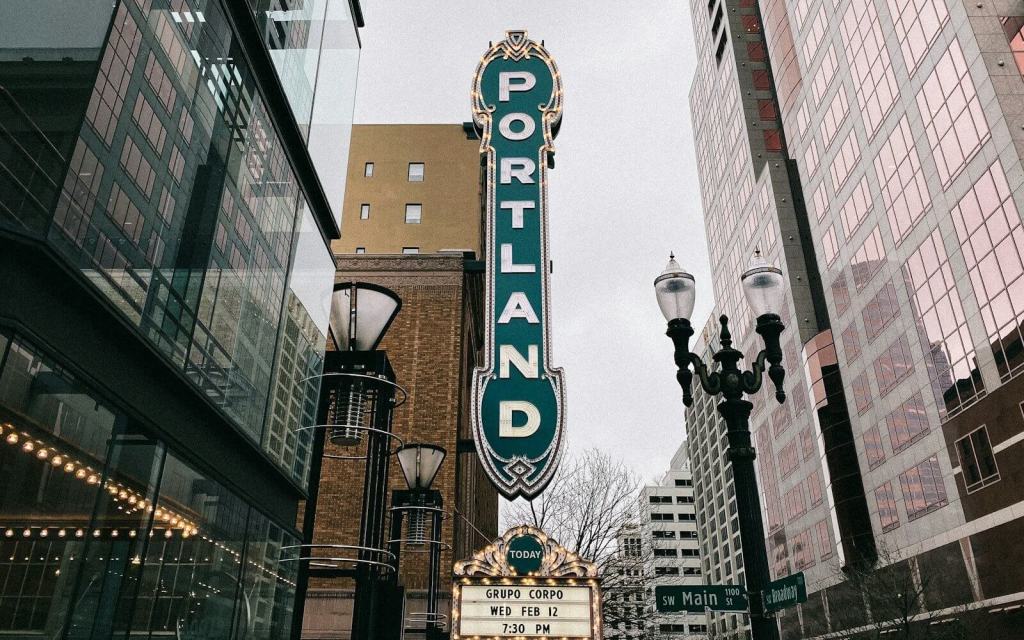
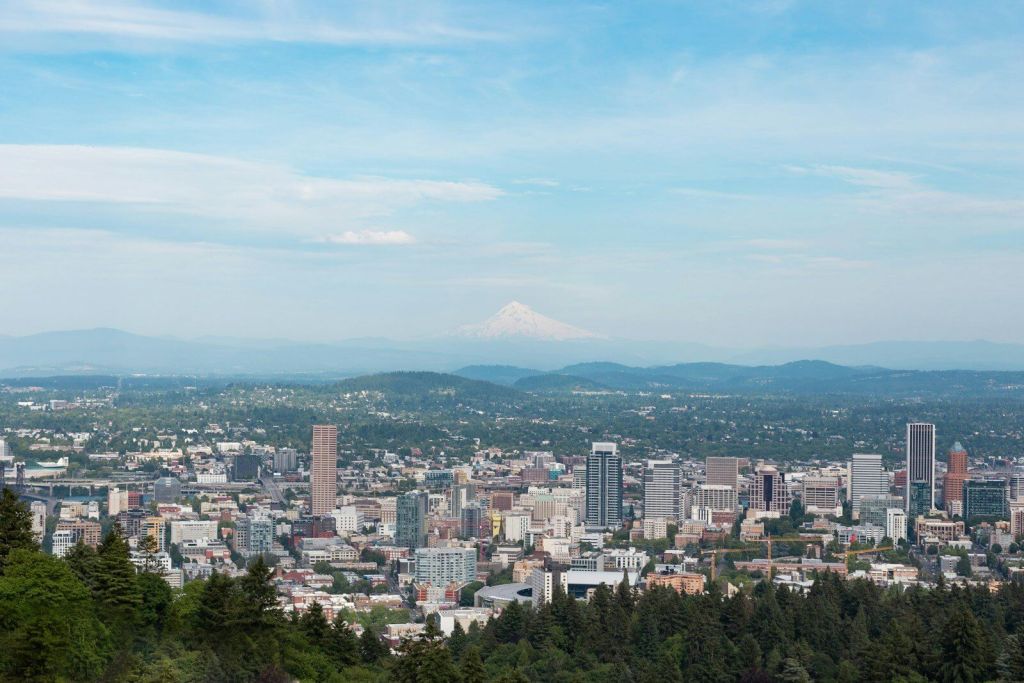
Portland has a unique blend of lush urban nature, a world-renowned culinary scene featuring food carts and craft breweries, all set against a backdrop of the Pacific Northwest. So visit and Keep Portland Weird.
History
- The history of the city of Portland, Oregon, began in 1843 when business partners William Overton and Asa Lovejoy filed to claim land on the west bank of the Willamette River in Oregon Country. In 1845 the name of Portland was chosen for this community by coin toss. February 8, 1851. Following is a short history of this city that will help you understand why locals pride themselves in Keeping Portland Weird.
- The Lumber & Shipping Hub: By the early 20th century, Portland’s timber industry boomed, earning it the title “Lumber Capital of the World”. Thanks to its location at the confluence of the Willamette and Columbia Rivers, it remains the third-largest wheat-exporting gateway in the world.
- The “City of Roses”: Portland has been famous for its rose cultivation since the Lewis and Clark Centennial Exposition in 1905, which led to the creation of the annual Portland Rose Festival in 1907.
- Maritime Labor & Saloons: In the 19th and early 20th centuries, Portland developed a reputation as a rough-and-tumble port city. This era gave rise to the “Shanghai Tunnels”—a network of basements and subterranean passages allegedly used by crimps to kidnap and force unsuspecting men into maritime labor.
- In the latter half of the 20th century, Portland shifted its historical identity to become a pioneer in urban planning, sustainability, and green architecture. It gained global recognition for early adoption of postmodern architecture—most notably via the iconic, Michael Graves-designed Portland Building

Arts
Portland’s art scene is a vibrant, community-driven ecosystem known for its indie spirit, public murals, and cutting-edge contemporary art. It balances grand cultural institutions with accessible, grassroots creative spaces.
Must go to events for the art scene include First Thursday which is a monthly city-wide gallery walk where dozens of galleries open their doors to the public with receptions and new exhibits. Also visit the Public Art and Murals in which the city features nearly 1,000 public artworks and large-scale murals, largely catalyzed by community projects like the Forest for the Trees mural festival
Architectural and Sites
Portland’s architectural landscape blends historic Victorian and Romanesque designs with pioneering postmodernism and modern sustainable development. Must-see architectural sites range from iconic skyscrapers and historic mansions to award-winning urban parks, reflecting the city’s unique, forward-thinking urban planning. Another unique aspect of Portland’s architecture is its Cast-Iron Architecture: Portland is home to the second-largest collection of 19th-century cast-iron architecture in the United States, second only to New York City’s SoHo district.

Food, Wine and Nightlife
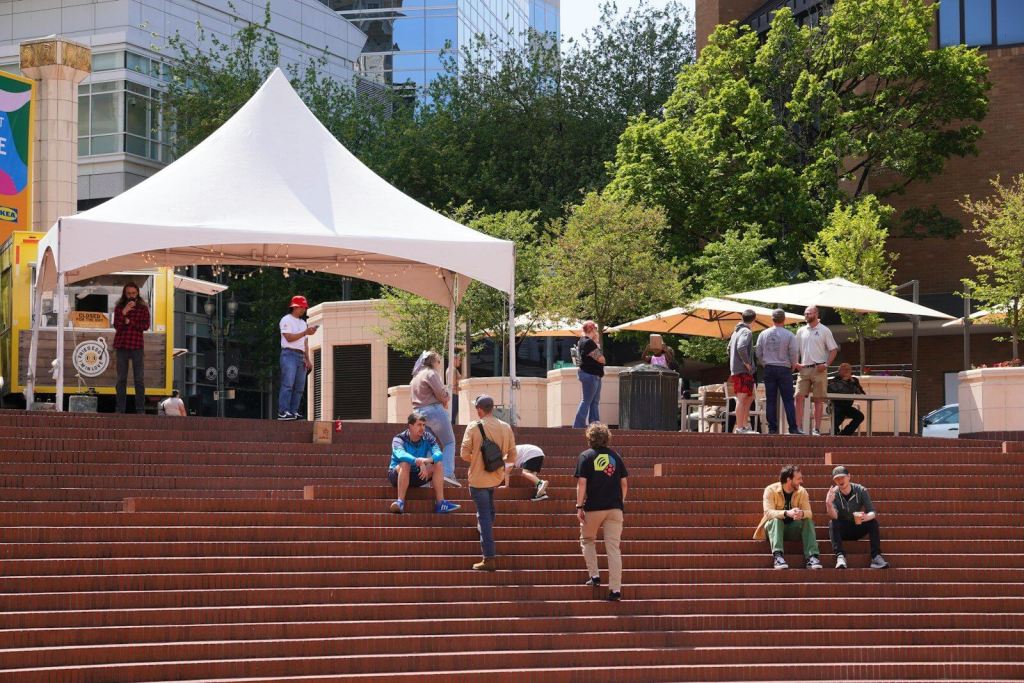
Portland’s culinary scene is a world-renowned paradise for food and drink lovers. Anchored by the legendary food cart pods, 80+ craft breweries, and proximity to the Willamette Valley’s world-class vineyards, the city thrives on hyper-local ingredients, artisan craftsmanship, and a laid-back, community-driven atmosphere.
Sports
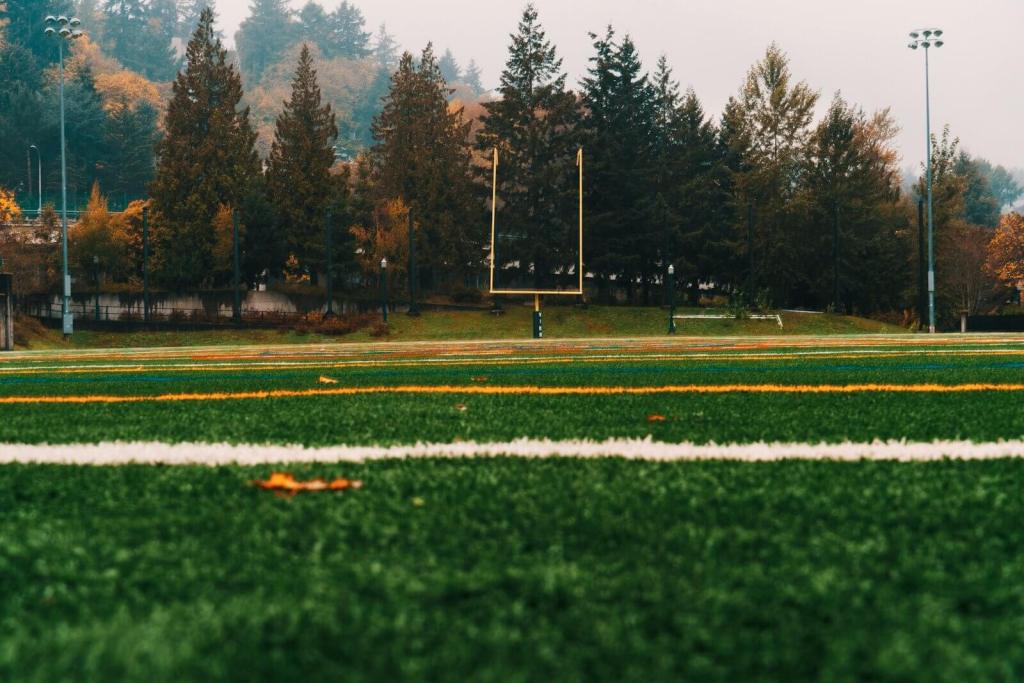
Portland’s vibrant sports scene thrives on a mix of major professional franchises, a massive grassroots soccer culture, and trailblazing women’s athletics. The city boasts a passionate fan base that fully embraces its local teams, creating a dynamic, community-driven atmosphere. So catch a game of one of the four professional teams…Trail Blazers or Fire in basketball or the Timbers and Thorns in soccer.
Music, Performing Arts and Experiences
- Portland’s performing arts and music scene is a vibrant, eclectic mix of world-class symphonies, edgy underground theater, and intimate live-music venues. Anchored by institutions like Portland’5 Centers for the Arts, the city balances historic grandeur with a thriving independent creative community

Travel by Time of Year
Spring (March – May)
- Temperatures: Highs gradually rise from 56°F to 69°F, while lows hover in the 40s.
- Conditions: It is a transitional period; expect a mix of bright, blooming days and crisp, lingering rain.
- What to Pack: Light sweaters, rain boots, and a water-resistant layer.
Summer (June – August)
- Temperatures: Highs average in the mid-70s to low 80s, but nights cool down comfortably into the mid-50s.
- Conditions: July and August are the sunniest, warmest, and driest months. Extended heat waves reaching into the 90s occasionally occur.
- What to Pack: Sunscreen, lightweight clothes, and a light sweater for cooler evenings.
Fall (September – November)
- Temperatures: Highs drop from the mid-70s in September to the low 50s in November.
- Conditions: September acts as an extension of summer, while October and November become progressively wetter and cloudier.
- What to Pack: Medium-weight sweaters, a rain jacket, and comfortable walking shoes for leaf-peeping at parks like Pittock Mansion.
Winter (December – February)
- Temperatures: Highs range from 46°F to 51°F, with lows in the mid-30s.
- Conditions: This is the cloudiest and wettest time of the year, usually characterized by a persistent mist or drizzle rather than heavy downpours. Snow is rare, but nearby areas like Mt. Hood receive significant snowfall.
- What to Pack: Heavy coats, gloves, waterproof footwear, and warm layers


Explore other cities or topics
United States
Anaheim
Austin
Houston
Las Vegas
Los Angeles
New York City
Orlando
Portland
San Antonio
San Diego
San Francisco
Seattle
Washington DC
Europe
Amsterdam
Athens
Brussels
London
Mexico
Cancun
Los Cabos
Mexico City


